
07.12.2025


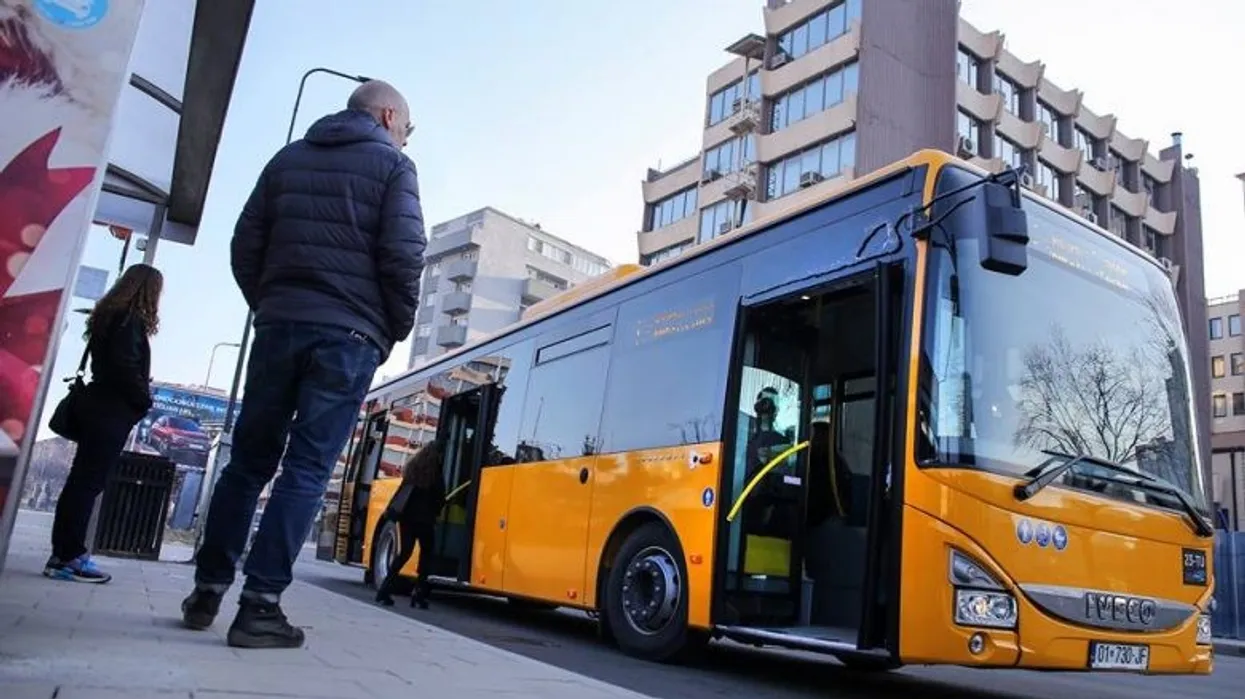

Prishtina, the capital of Kosovo, is a fast-growing city where transportation has become one of the most pressing urban challenges. With a population that has expanded rapidly over the last two decades, the city’s infrastructure has struggled to keep pace with demand. Traffic congestion, limited parking, and insufficient public transport options are daily realities for residents.
Public transport in Prishtina is mainly provided by buses, both publicly owned and private. The city has attempted to modernize its fleet, introducing newer and more environmentally friendly vehicles, but coverage remains uneven. Many neighborhoods are underserved, forcing residents to rely on private cars. This has contributed to heavy congestion, especially during peak hours, and has raised concerns about air pollution.
The majority of Prishtina’s workforce depends on cars, taxis, and informal transport options. Walking is common in the central areas, but poor pedestrian infrastructure and limited cycling lanes make sustainable mobility less attractive. Efforts to encourage bike-sharing and eco-friendly travel remain in their early stages.
City authorities have announced plans to expand bus lines, introduce digital ticketing systems, and improve road infrastructure. There is also growing discussion around smart mobility solutions, such as electric buses and bike lanes, supported by international donors and EU-funded projects. However, implementation has been slow, often hindered by limited budgets and bureaucratic delays.
Prishtina’s transport system stands at a crossroads. Without significant investment in sustainable public transport, the city risks worsening congestion and environmental challenges. Yet, with a young population eager for change and international partners ready to support modernization, Prishtina has the opportunity to transform its transport network into a more efficient, eco-friendly system that meets the needs of its residents.