
07.12.2025


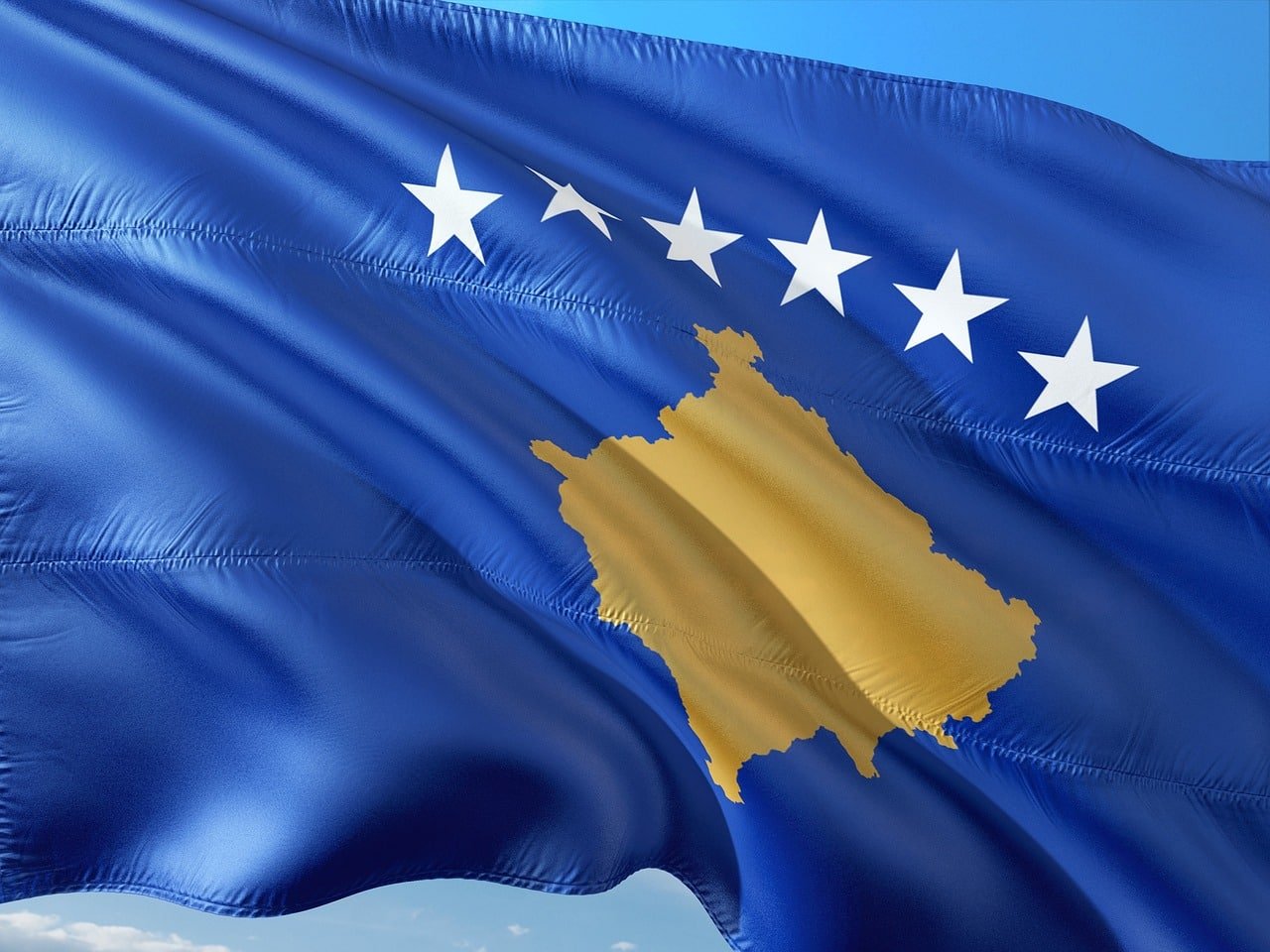

In the heart of the Balkans, Kosovo has increasingly become a key factor in maintaining peace and stability across the region. Despite its relatively small geographic size and young statehood, Kosovo’s geopolitical position, historical context, and aspirations for integration into Euro-Atlantic structures make it an indispensable actor in shaping the security dynamics of Southeast Europe.
Kosovo’s modern role in regional stability cannot be understood without acknowledging its complex past. The 1999 conflict and the subsequent international intervention placed Kosovo at the center of global attention. For years, NATO’s peacekeeping mission (KFOR) and the European Union’s rule of law mission (EULEX) played crucial roles in preventing renewed violence and promoting democratic institutions. Although Kosovo declared independence in 2008, unresolved disputes with Serbia continue to shape its political and security environment.
One of the greatest challenges remains the normalization of relations with Serbia. Dialogue facilitated by the European Union has produced important agreements, but tensions persist, particularly in northern Kosovo where ethnic Serbs form the majority. These tensions, if not managed properly, risk destabilizing not only Kosovo but also the wider Western Balkans.
Despite internal challenges, Kosovo has demonstrated willingness to contribute to peace and security. Its security institutions, particularly the Kosovo Security Force (KSF), have undergone significant reforms in cooperation with NATO and partner countries. While still developing, these forces are increasingly professional and oriented toward contributing to regional stability rather than merely addressing internal threats.
Kosovo has also become part of regional initiatives aimed at fostering cooperation. Platforms such as the Berlin Process, the Regional Cooperation Council (RCC), and CEFTA, though not without obstacles, are arenas where Kosovo actively participates. These frameworks allow Kosovo to showcase its commitment to dialogue, economic development, and security cooperation, all of which strengthen stability across borders.
Kosovo’s aspirations to join the European Union and NATO are not just symbolic; they represent a strategic vision for long-term peace. Integration into these institutions would anchor Kosovo firmly within a security and political framework that has guaranteed peace in much of Europe for decades.
While NATO membership remains a distant goal, Kosovo already benefits from NATO’s presence through KFOR. The mission’s continued presence is widely regarded as a stabilizing factor, particularly in moments of crisis. On the EU front, Kosovo’s visa liberalization in 2024 marked a milestone, yet full membership remains a longer process tied to rule of law reforms, economic development, and successful dialogue with Serbia.
Stability in the Balkans is not only about military or political issues; it is deeply connected to economic prospects. Kosovo’s young population, high unemployment, and dependence on remittances are potential risk factors for instability. However, they also represent opportunities for growth if addressed through investment, job creation, and regional trade.
By promoting infrastructure projects, energy cooperation, and digital connectivity, Kosovo can strengthen not only its own economy but also regional interdependence. Economic stability reduces the space for extremism and nationalism, two threats that historically have undermined peace in the Balkans.
Kosovo’s path toward becoming a pillar of regional stability is not without obstacles. Persistent ethnic tensions, limited international recognition, and political polarization pose significant hurdles. Additionally, external influences—whether from global powers with competing interests or from non-state actors—can easily disrupt fragile balances in the region.
Nevertheless, Kosovo’s leadership has an opportunity to build a narrative focused on cooperation rather than conflict. By positioning itself as a bridge between communities and as a constructive regional actor, Kosovo can gradually strengthen its role in ensuring that the Western Balkans moves forward toward integration and peace.
Kosovo’s role in regional stability is both a challenge and an opportunity. While unresolved disputes with Serbia and internal divisions remain sources of fragility, Kosovo’s growing engagement in regional cooperation, security reforms, and aspirations for Euro-Atlantic integration give it a unique position in the Balkans. Stability in Southeast Europe cannot be fully achieved without Kosovo’s constructive participation. In this sense, Kosovo is not merely a passive recipient of stability efforts—it is increasingly becoming an active contributor to them.