
07.12.2025


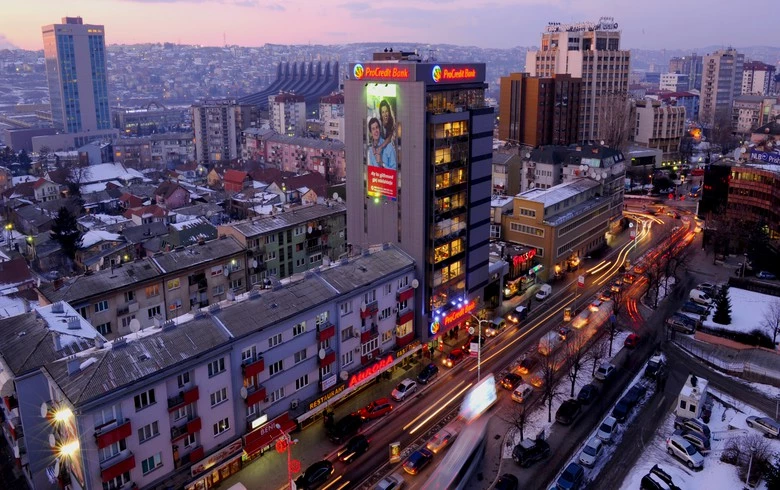

Kosovo’s economy in 2025 reflects both resilience and fragility. After years of steady recovery from the pandemic, the country is experiencing moderate growth, driven largely by services, diaspora remittances, and construction. Prishtina continues to attract investment in technology and small businesses, highlighting the creativity of its youthful population—more than half of Kosovars are under 30.
Remittances remain a cornerstone of stability, with billions flowing annually from the diaspora. These funds support household consumption and investment in real estate, but they also underscore Kosovo’s dependency on external income rather than domestic productivity. Agriculture and manufacturing still face structural weaknesses, limiting diversification.
Unemployment, especially among youth and women, remains one of the country’s most pressing issues. Despite some progress, job creation lags behind population growth. Meanwhile, emigration continues to drain skilled labor, creating both economic gaps and reliance on imported expertise.
Looking forward, Kosovo’s challenge in 2025 is balancing growth with sustainability. Investments in energy, digital infrastructure, and regional trade could transform the economy, but reforms in governance, education, and labor markets are equally critical. The year marks a turning point: Kosovo must decide whether to remain reliant on remittances or to build a self-sustaining, competitive economy.