07.12.2025


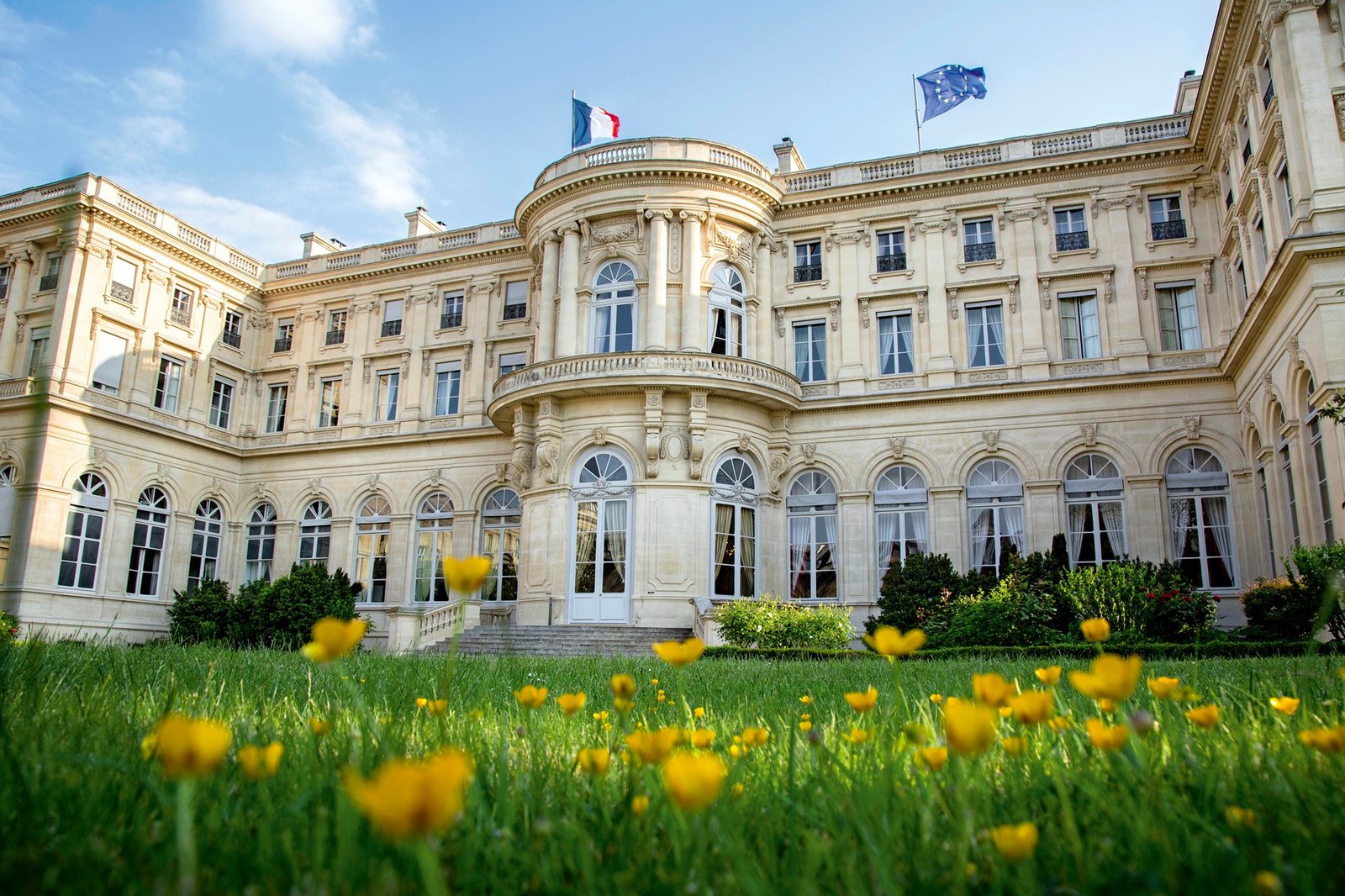

The French Embassy in Kosovo has marked the second anniversary of the September 24, 2023 attack in Banjska by reiterating a clear call for accountability. In a public message on Wednesday, the embassy expressed condolences to the family of Kosovo Police Sergeant Afrim Bunjaku, who was killed during the assault, and urged that those responsible be brought before the courts. “Two years after the criminal attack in Banjska, which took the life of Sergeant Afrim Bunjaku, our thoughts are with his family. France continues to call for the perpetrators of this deadly attack to be brought to justice,” the embassy said.
The statement aligns with a broader set of anniversary reactions from international partners and diplomatic missions in Prishtina, several of which emphasized that impunity for the Banjska attack remains unacceptable. Media reports the same day highlighted that European and transatlantic partners—including France—again pressed for concrete legal steps to hold the attackers accountable.
The Banjska incident unfolded in the Serb-majority north of Kosovo, in the municipality of Zvečan, when an armed group clashed with Kosovo Police. The violence left Sergeant Bunjaku dead and other officers injured, shocking the public and drawing swift international condemnation at the time. Two years on, the case continues to test regional cooperation on law enforcement and judicial matters.
Kosovo officials maintain that key suspects remain outside their jurisdiction. Local and international outlets have repeatedly noted that Milan Radoičić, a political and business figure from northern Kosovo, publicly claimed responsibility for organizing the group involved, yet has not faced prosecution in Serbia to date. On the anniversary, several reports again underscored the lack of judicial closure and called for renewed pressure to move the case forward.
For France, the message fits within a consistent diplomatic posture: support for rule of law, condemnation of politically motivated violence, and encouragement of judicial processes that meet international standards. By explicitly naming “perpetrators” and urging that they “be brought to justice,” the embassy’s language tracks with previous statements by European partners who frame accountability as essential to regional stability and to confidence in the dialogue process.
The anniversary statements also serve a domestic purpose in Kosovo. They reaffirm to the public—and to the family of Sergeant Bunjaku—that international partners remain attentive to the case and to the principle that serious crimes, particularly those with cross-border dimensions, must result in prosecutions that are credible, transparent, and effective. In practical terms, that means sustained cooperation between authorities, the sharing of evidence, and a willingness by all jurisdictions to pursue suspects and enforce court orders.
Looking ahead, the Banjska file will likely remain a bellwether for rule-of-law cooperation in the Western Balkans. Progress would send a signal that violent challenges to public order will not be tolerated and that political sensitivities cannot shield suspects from legal consequences. Conversely, prolonged inaction risks reinforcing perceptions of selective justice and deepening mistrust between communities. As the French Embassy’s message underscores, the path to reconciliation and stability runs through courts that can deliver justice—both for the fallen officer’s family and for the societies affected by the attack.
Sources referenced in local and international coverage on Sept. 24, 2025 include Gazeta Express, KALLXO, Telegrafi, KoSSev, Koha and Prishtina Insight, which reported the French Embassy’s statement and broader calls for accountability on the two-year anniversary of the Banjska attack.