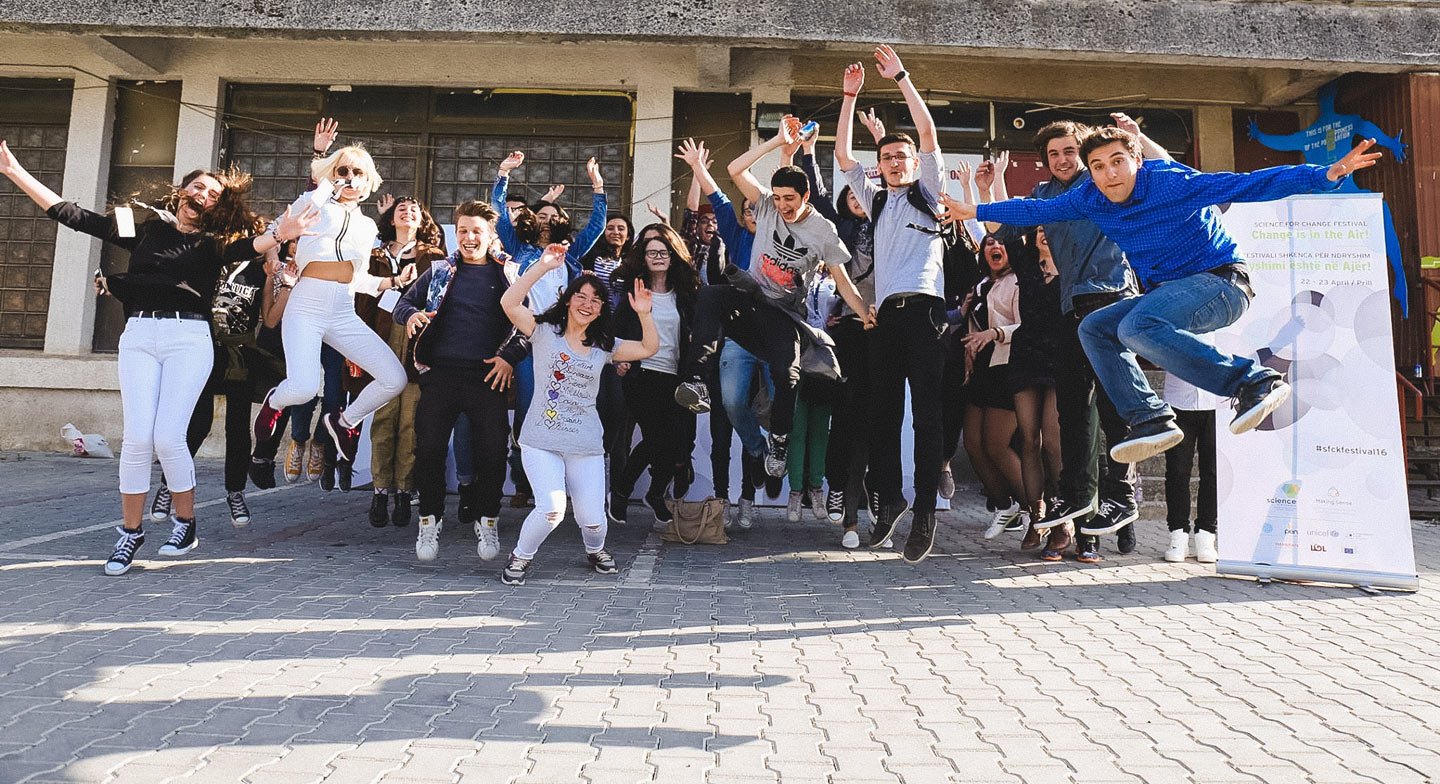

Kosovo’s youth represent both the country’s greatest asset and its most urgent challenge. With more than half of the population under the age of 30, the country is one of the youngest in Europe. This demographic reality carries enormous potential for innovation, entrepreneurship, and social transformation—but it also places pressure on institutions to provide opportunities for education, employment, and civic participation.
Energy and Innovation
Young people in Kosovo are increasingly turning toward technology, arts, and entrepreneurship. Startups, digital platforms, and creative industries are thriving in Prishtina, fueled by the ambition of a generation eager to connect with the world. Many youth-led initiatives promote cultural exchange, social activism, and innovation, positioning Kosovo as a source of fresh ideas in the region.
The Employment Gap
Despite this energy, youth unemployment remains alarmingly high. Many young Kosovars face limited job opportunities, pushing them either toward the informal economy or emigration. The brain drain is a pressing issue: thousands leave each year to pursue education and careers abroad, often not returning to invest their skills back home.
Education and Skills
Kosovo’s universities and vocational schools continue to expand, but gaps remain between education and labor market needs. While IT and digital skills are in high demand, outdated curricula and limited resources often fail to equip students adequately. Partnerships with international institutions and donor-funded programs are slowly bridging this gap.
Looking Forward
Kosovo’s youth stand at a crossroads. With the right investments in education, job creation, and civic engagement, this generation could drive the country toward prosperity and stability. Without meaningful reform, however, the risk is that Kosovo’s youngest citizens will continue to see their future outside their homeland rather than within it.